




Red eyes: reading the pattern before you reach for a product
Redness is a visible sign rather than a diagnosis, and the most popular product for it can make it worse over time. Here is how to read what your eyes are showing you.
Shop dry eye relief When to get checkedQuick answer
Redness in both eyes that builds through the day, without pain or vision change, is usually surface irritation and most often dryness or lid inflammation. Treat the cause with preservative-free drops and lid care for two weeks rather than treating the colour. Redness in one eye, redness with pain, light sensitivity, vision changes or discharge, and redness in a contact lens wearer are different situations and need assessment rather than a product.
Key takeaways
- Redness is dilated surface blood vessels. It tells you there is irritation, not what caused it.
- Both eyes, no pain, worse by evening is the ordinary pattern. One eye, painful, or with vision change is not.
- Whitening drops constrict vessels to hide redness. They do not treat the cause, and regular use can leave eyes redder between doses.
- Lid margin inflammation is a common and often missed source, especially when redness sits along the lid edge.
- A single bright red patch with no pain is usually a harmless burst vessel, not an emergency.
What redness actually is
The white of the eye carries a fine network of blood vessels. When the surface is irritated, those vessels widen to increase blood flow, and the eye looks pink or red. The colour is the response, not the problem, which is why anything that only removes the colour leaves the cause untouched.
Dryness
An unstable tear film leaves the surface exposed and mildly inflamed. Redness builds through the day, affects both eyes, and often comes with stinging or grittiness.
Lid margin inflammation
Redness concentrated along the lid edge, often with crusting or flaking at the lash line. Worst on waking and unlikely to respond to drops alone.
Allergy
Redness with itching as the dominant feature, frequently seasonal, often with a blocked or runny nose. Rubbing makes it visibly worse within minutes.
Something else
Infection, inflammation inside the eye, a foreign body, or a contact lens problem. These tend to involve one eye, pain, light sensitivity or discharge.
The Tear Film and Ocular Surface Society Dry Eye Workshop III report (TFOS DEWS III, published in the American Journal of Ophthalmology in 2025) widened the framing of dry eye from the tear film alone to the ocular surface itself. That shift matters for redness, because it treats visible surface change as part of the disease process rather than as an incidental cosmetic detail.
The drops that hide redness rather than treat it
This is the single most common mistake on this symptom, and it is worth understanding before you buy anything.
Whitening or redness-relief drops work by narrowing the blood vessels in the white of the eye. The effect is quick and purely cosmetic. Nothing about the dryness, the lid inflammation or the allergy driving those vessels to widen has changed, so once the effect wears off the original cause is still there.
With frequent, regular use many people find the redness returns more strongly between doses, which encourages more frequent use. That cycle is well recognised, and it is the reason these products are better suited to occasional cosmetic use than to a daily routine. If your goal is a comfortable eye rather than a white one, a lubricating drop and attention to the lid margin is the more useful place to spend money.
| Pattern | More likely | What to do |
|---|---|---|
| Both eyes, worse by evening, gritty or stinging | Dryness | Preservative-free drops on a schedule, two week trial |
| Redness along the lid edge, crusting on waking | Lid margin | Daily lid cleaning, then reassess |
| Redness with strong itching, seasonal | Allergy | Address the allergy and the dryness together |
| One eye, with pain, light sensitivity or discharge | None of the above | Same day assessment. Remove contact lenses |
Treat the cause, not the colour
Each of these addresses one of the ordinary causes rather than masking the appearance.
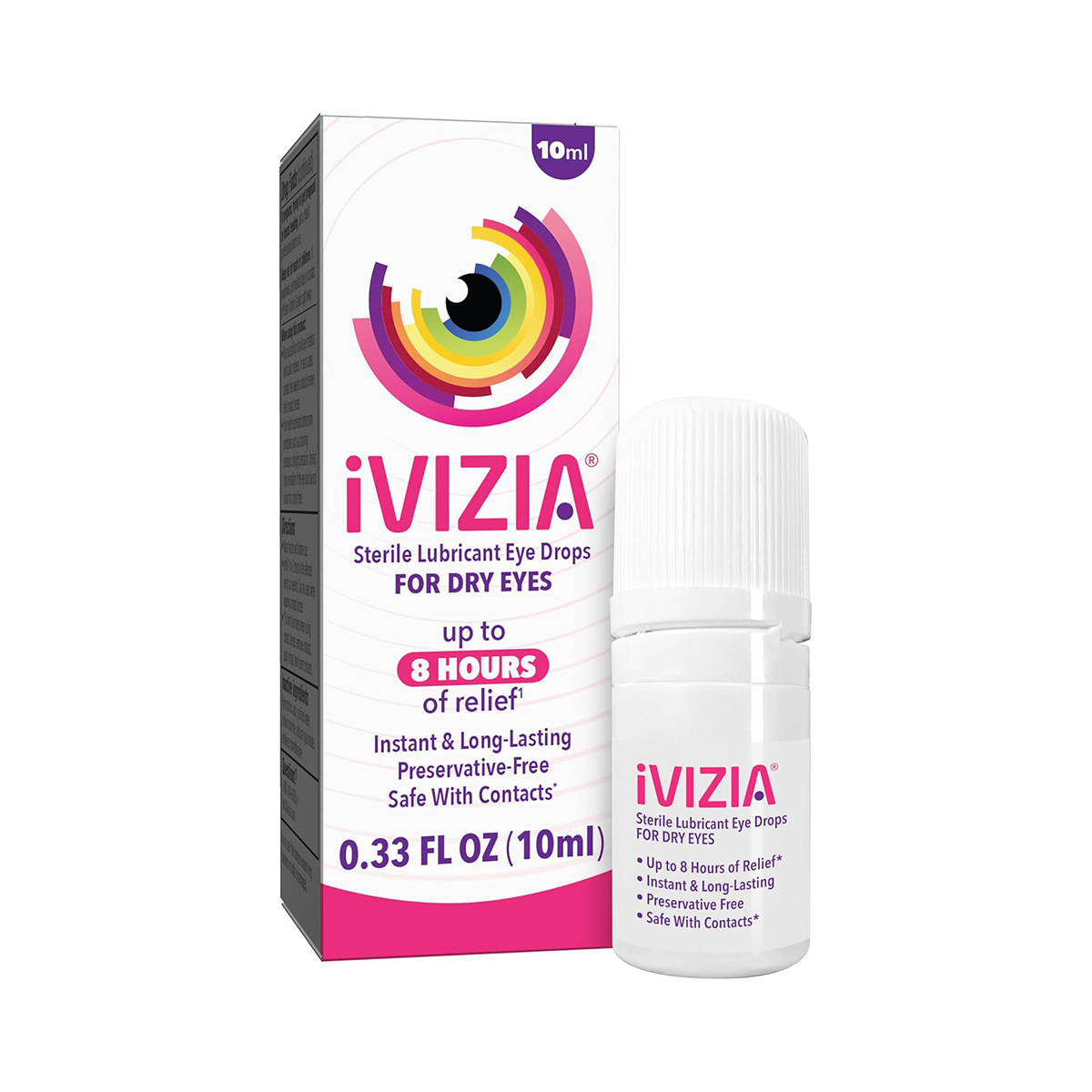
iVIZIA preservative-free, 10ml bottle
Preservative-free matters here, since preservatives in frequently used drops can themselves irritate the surface they are meant to settle.
View product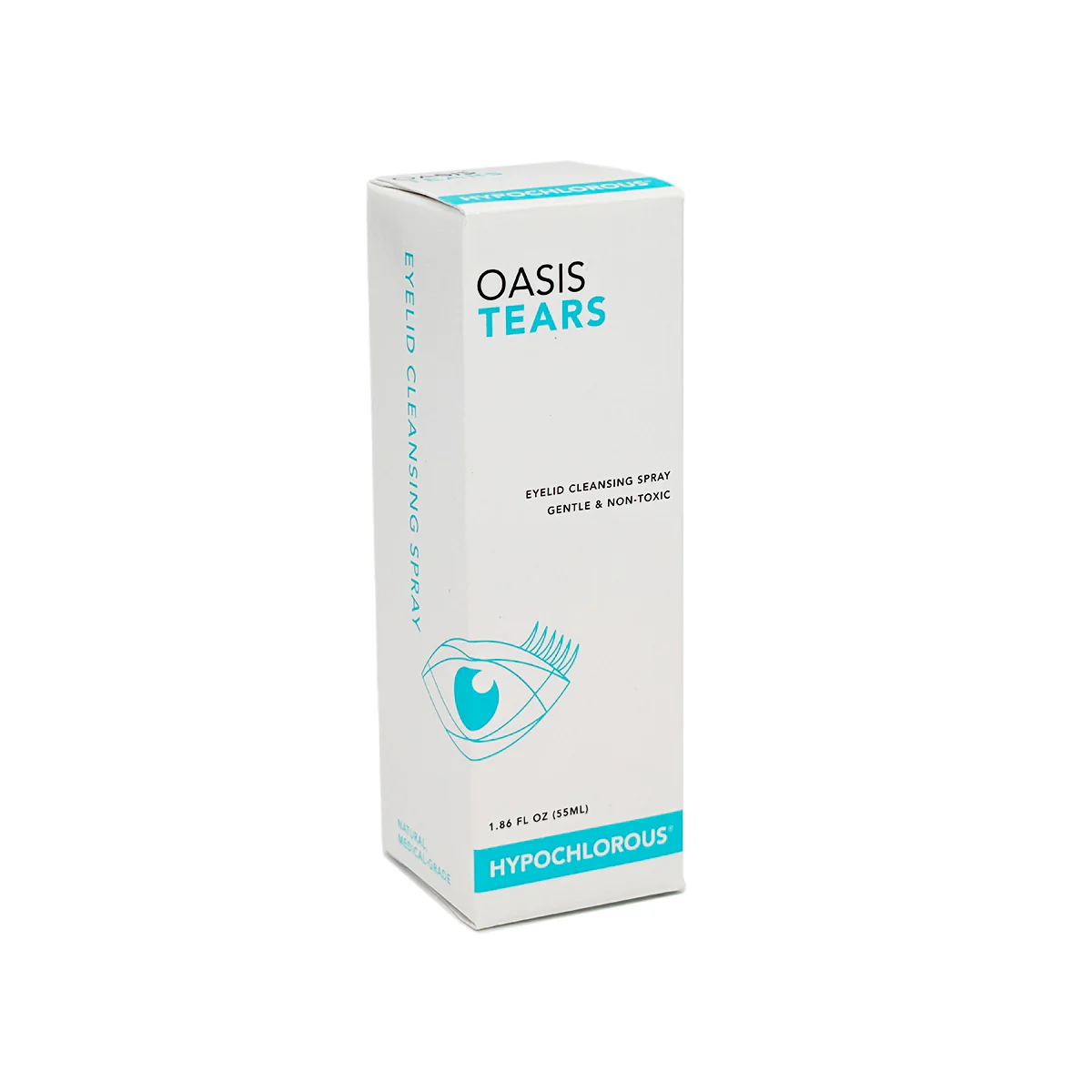
Oasis TEARS hypochlorous cleansing spray, 55ml
A spray suits people who find wipes fiddly. Useful when redness sits along the lash line rather than across the whole eye.
View product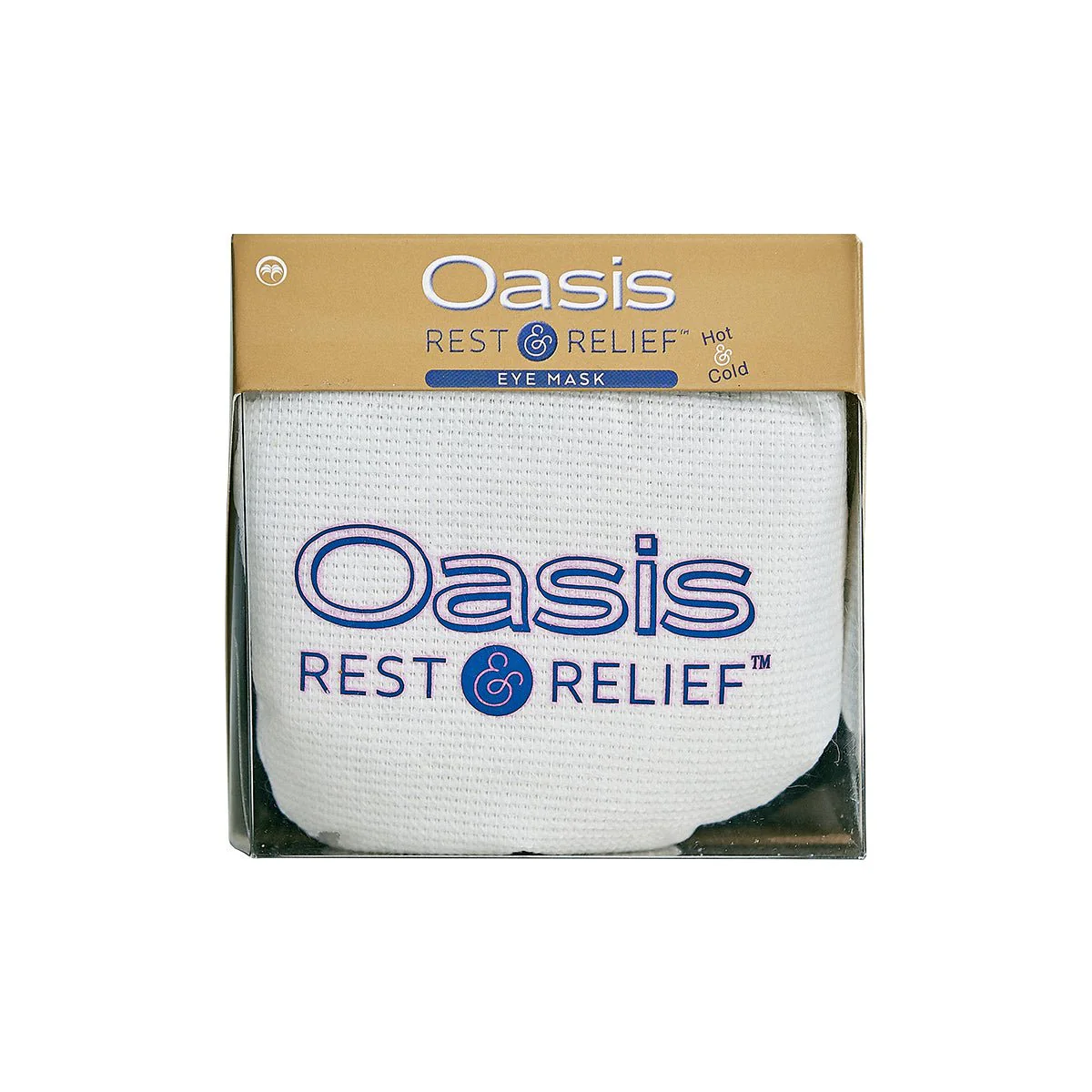
Oasis hot and cold mask
Cooled, it calms the itch and swelling of an irritated or allergic eye. Warmed, it supports the oil glands in the lid. One product covers both patterns.
View productOne thing worth getting right
Photograph your eyes in daylight at the same time each day for a week. Redness is notoriously hard to judge from memory, and people routinely conclude a routine is not working when a photograph from day one shows otherwise. It also gives an eye doctor something far more useful than a description.
When to stop self-treating and book an exam
Most redness is unremarkable. A short list of patterns is not, and these are worth acting on rather than watching.
- One eye is red and the other is not, particularly with pain.
- There is genuine pain, marked sensitivity to light, or reduced vision.
- There is thick or coloured discharge, or the lids are stuck shut on waking.
- You wear contact lenses and an eye has become red. Remove the lenses and be seen the same day.
- Redness followed an injury, a chemical splash, or anything entering the eye.
- Two weeks of consistent drops and lid care have changed nothing.
Severe pain with redness, haloes around lights and nausea should be treated as an emergency rather than an appointment.
This article is for general education and is not medical advice. It does not replace an examination by a licensed eye care professional, and it cannot account for your individual history. A red eye with pain, light sensitivity, discharge or reduced vision requires prompt assessment.
All trademarks are the property of their respective owners.
Common questions
Can dry eye make my eyes red without them feeling dry?
Yes, and it catches people out. Corneal sensitivity varies between individuals and tends to reduce over time, so the surface can be inflamed enough to redden without generating much sensation. If redness follows the ordinary pattern of both eyes and worse by evening, dryness is still worth treating even if nothing feels wrong.
Does redness always mean an infection?
No, and infection is one of the less common causes. Infective conjunctivitis usually announces itself with sticky or coloured discharge, lids gummed together after sleep, and often one eye starting before the other. Redness without discharge is far more likely to be irritation, dryness, allergy or a lid problem.
Why did a bright red patch appear suddenly in one eye?
A flat, vivid red area with a sharp edge and no pain is typically a small blood vessel that has burst under the surface. It looks alarming and is usually harmless, often following a cough, a sneeze or straining. It clears on its own over a week or two, changing colour like a bruise. Worth checking if it recurs often, if you take blood thinners, or if it comes with pain or vision change.
Would a cold compress help?
For irritated or allergic redness, often yes. Cooling reduces the swelling and quiets the itch, which also breaks the rubbing cycle that keeps redness going. It is symptomatic relief rather than treatment. Note that cool and warm do opposite jobs here: cool settles an inflamed surface, warm helps blocked oil glands, so match the temperature to the pattern.
Can alcohol, poor sleep or crying explain it?
All three can, temporarily. Alcohol dilates blood vessels and is mildly dehydrating, short sleep reduces recovery time for an already irritated surface, and crying floods the eye then leaves it dried out. Redness from these resolves within hours. What they cannot explain is redness that is present most days regardless of the night before.
Can red eyes be passed on to other people?
Only some causes are transmissible. Redness from dryness, allergy or lid inflammation is not contagious at all. Viral conjunctivitis is, and it spreads readily through hands and shared towels, so the practical rule is that redness with watery or sticky discharge, particularly if it started in one eye and moved to the other, warrants careful handwashing and separate towels until it has been assessed.
How long should redness last before it counts as persistent?
Redness that comes and goes with obvious triggers is not persistent, however often it occurs. Redness present on most days for more than two to three weeks, or that never fully clears overnight, is worth investigating rather than managing. Persistent means unremitting, not frequent.
Could redness on my face and redness in my eyes be connected?
They can be. Rosacea affecting the skin of the cheeks and nose frequently involves the eyelid margins as well, producing red, irritated eyes alongside blocked oil glands. If you flush easily or have been treated for facial rosacea and your eyes are persistently red, mention both to whoever examines you, since managing them together works better than treating the eyes alone.
Is red eye something a pharmacist can help with, or does it need an eye doctor?
A pharmacist is a reasonable first stop for straightforward, painless redness in both eyes with no vision change, and can point you toward lubricants or lid care. Anything involving one eye, pain, light sensitivity, discharge, contact lenses or altered vision goes beyond what can be assessed over a counter, because those need the eye examined under magnification rather than a product recommendation.
Treat what is causing it
Both eyes and painless means drops and lid care for two weeks. One eye, painful, or in a lens wearer means get it looked at today.
Shop dry eye relief