





Gritty eyes: why they feel like sand, and what actually helps
That sensation of something in your eye when nothing is there has a small number of likely causes, and they call for different fixes. Here is how to tell them apart before you buy anything.
Shop dry eye relief When to get checkedQuick answer
If both eyes feel gritty and there is no pain, start with a preservative-free lubricating drop on a fixed schedule and check whether your lid margins are clean and clear. Give it two weeks. If the grittiness is in one eye only, came on suddenly, or arrived with pain or light sensitivity, treat that as a reason to be examined rather than a reason to try another drop. A sensation of something in the eye is one of the few dry eye symptoms that can also signal a surface injury.
Key takeaways
- Grittiness is a sensation, not proof that anything is actually in your eye.
- Both eyes, no pain, comes and goes, points toward dryness. One eye, sudden, painful, points toward an exam.
- The lid margin is a common source. If drops alone are not touching it, the lids are the next place to look.
- Dry air is a strong trigger, which is why planes, air conditioning and heated rooms make it worse.
- Rubbing feels productive and makes it worse, because it inflames the surface you are trying to settle.
What gritty usually means
The surface of the eye is densely supplied with nerve endings, which is why a very small disturbance can feel like a grain of sand. Four patterns cover most cases.
A thin or unstable tear film
The most common cause. Without an even layer of tears, the lid drags slightly across the surface with each blink, and that friction registers as roughness.
Lid margin inflammation
Debris and crusting at the base of the lashes keep irritating the surface every time you blink. Drops soothe it briefly, but the source is the lid rather than the eye.
Blocked oil glands
The glands along the lid margin supply the oily layer that slows evaporation. When they are blocked, tears break up faster and grittiness builds through the day.
Something genuinely there
Less common, but the one that matters. A speck of debris or a small scratch on the surface produces the same sensation, usually in one eye and usually suddenly.
The Tear Film and Ocular Surface Society Dry Eye Workshop III report (TFOS DEWS III, published in the American Journal of Ophthalmology in 2025) recommends a shortened six item version of the Ocular Surface Disease Index as a screening questionnaire. Scores of that kind ask how often symptoms interfere with ordinary tasks, which is why tracking frequency over a fortnight tells you more than describing a single bad day.
Tell the two urgent patterns from the ordinary one
This is the fastest way to work out whether you are dealing with dryness or with something that needs looking at.
| What you notice | More likely | What to do |
|---|---|---|
| Both eyes, builds through the day, no pain | Tear film instability | Scheduled preservative-free drops, two week trial |
| Both eyes, worst on waking, lashes crusted | Lid margin involvement | Daily lid cleaning alongside drops |
| One eye, came on suddenly | Debris or a surface scratch | Do not rub. Get examined |
| Any grittiness with pain or light sensitivity | Not routine dryness | Same day exam, remove contact lenses |
Match the fix to the source
Grittiness is one of the symptoms where the right product depends on where it is coming from, so these three do different jobs.
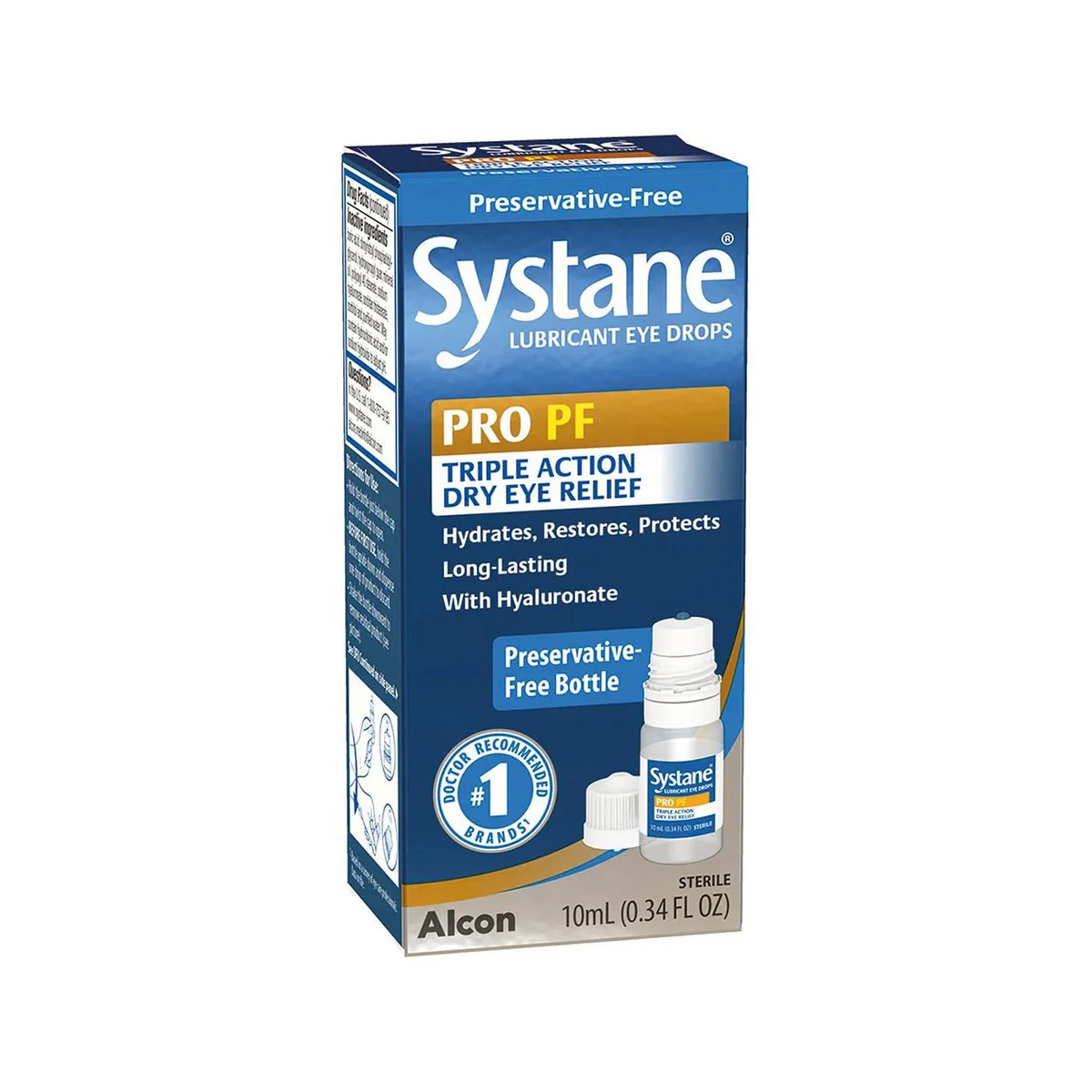
Systane PRO preservative-free, 10ml bottle
A multi-dose preservative-free bottle for people dosing several times a day. Suits the steady, builds-through-the-day pattern.
View product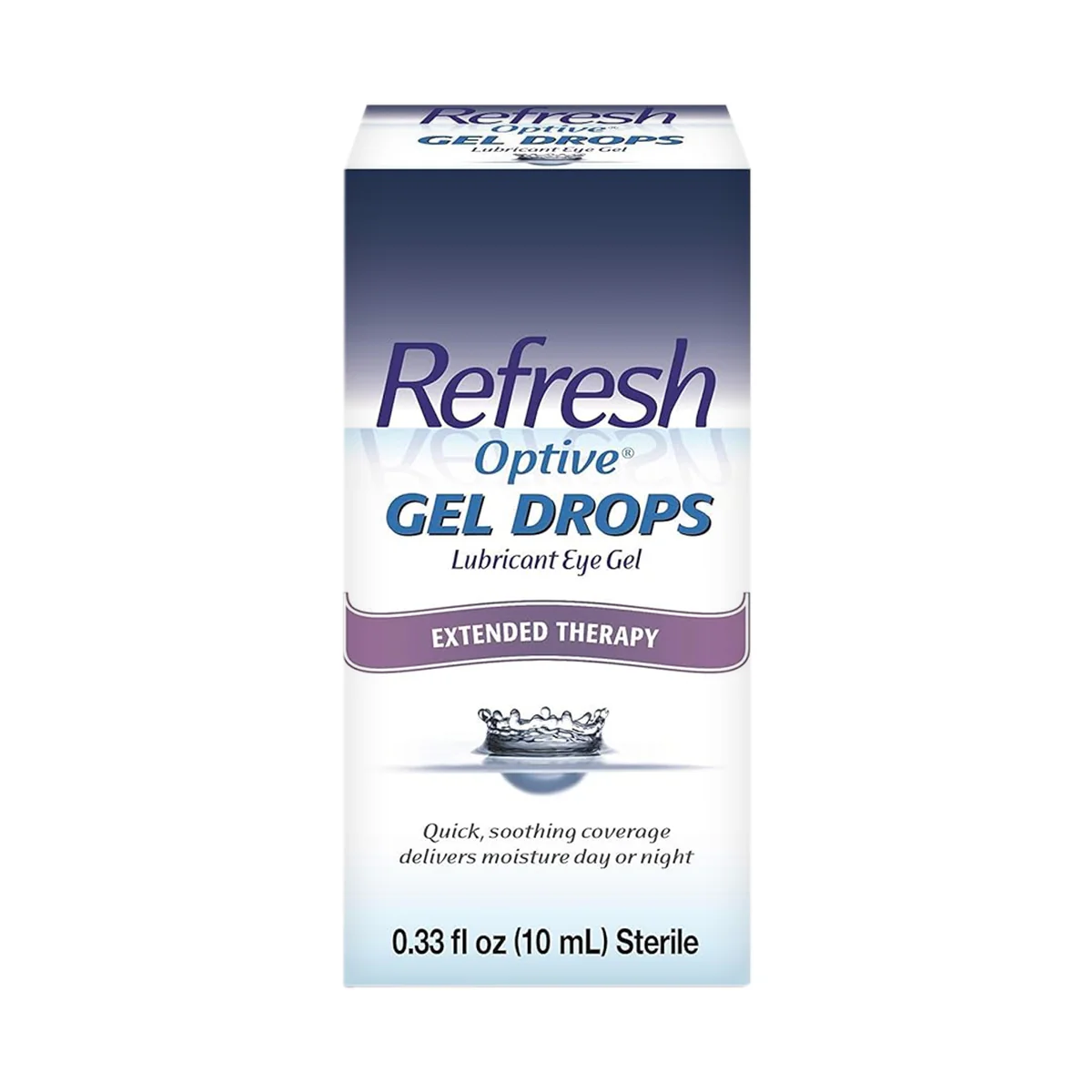
Refresh Optive gel drops
A thicker gel drop stays on the surface longer than a standard drop, which helps when relief fades within minutes of dosing.
View product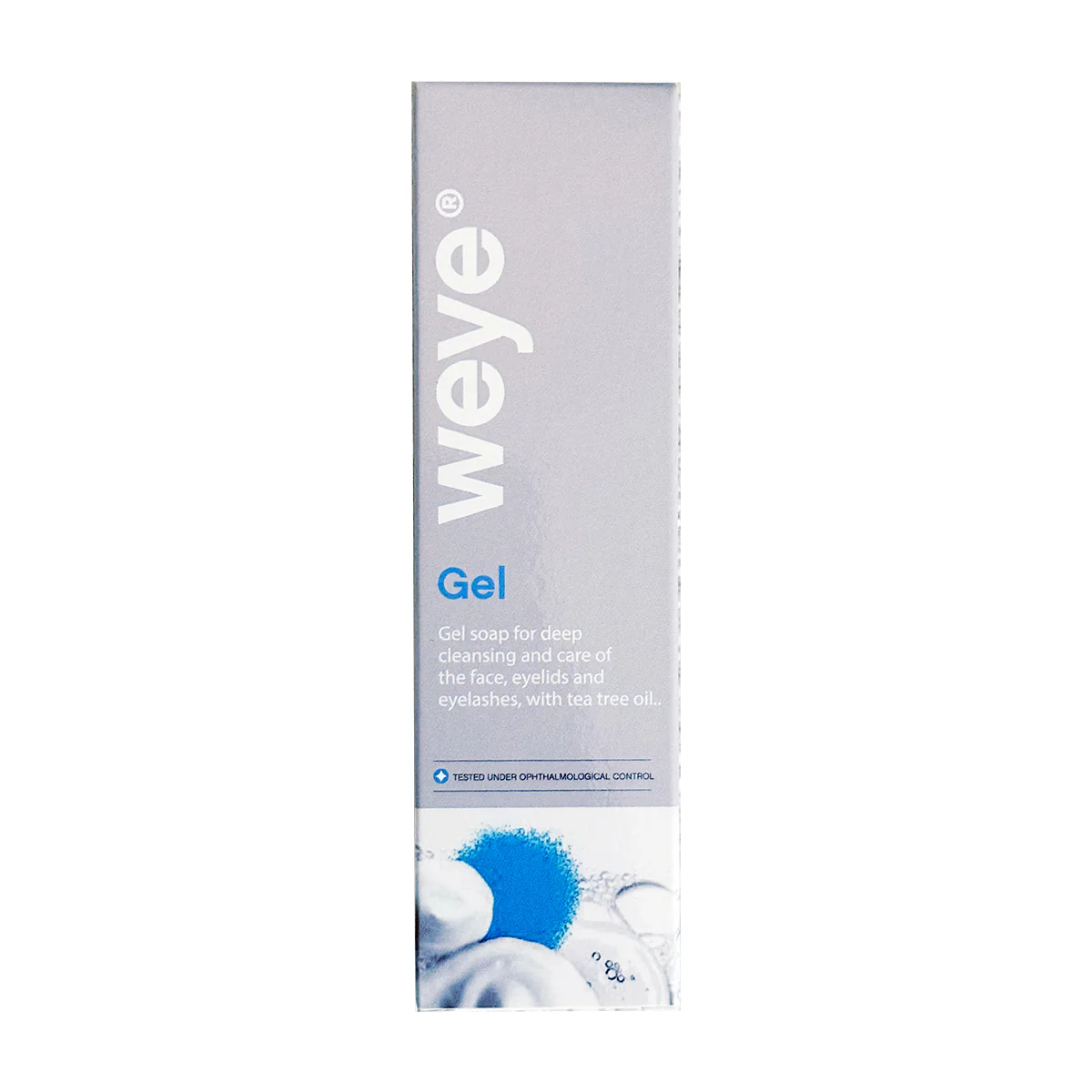
Weye Gel eyelid and lash cleanser, 100ml
For grittiness that is worst on waking or comes with crusting. Cleaning the lid margin addresses the source rather than the sensation.
View productOne thing worth getting right
Grittiness makes people rub, and rubbing is the single most counterproductive response. It adds mechanical irritation to a surface that is already inflamed, and it can turn a mild sensation into a genuinely sore eye by evening. If the urge is strong, dose a drop instead. It gives your hands something to do and treats the actual problem.
When to stop self-treating and book an exam
Grittiness carries one risk that most dry eye symptoms do not, which is that it can also be the sensation of a surface injury. Book a visit if any of these apply.
- Only one eye is affected, particularly if it started suddenly.
- There is pain rather than irritation, or you are sensitive to light.
- It followed anything entering the eye, including dust, grit or a chemical splash.
- Vision is affected and does not clear when you blink.
- Two weeks of consistent drops and lid cleaning have changed nothing.
If you wear contact lenses and one eye feels gritty and painful, remove the lenses and be seen the same day.
This article is for general education and is not medical advice. It does not replace an examination by a licensed eye care professional, and it cannot account for your individual history. If you have eye pain, sudden vision changes, light sensitivity, or discharge, seek care promptly.
All trademarks are the property of their respective owners.
Common questions
Why does it feel like something is in my eye when nothing is there?
The surface of the eye is one of the most densely innervated tissues in the body, so it reports very small changes as large sensations. A tear film that has thinned in patches lets the lid catch slightly as it moves, and your nervous system interprets that friction as a foreign object. The feeling is real even though there is nothing to remove.
Why does blinking not clear the feeling?
Because blinking is not failing to remove something, it is the thing producing the sensation. Each blink drags the lid across a surface that is not properly lubricated. That is also why the feeling often eases briefly right after a drop and returns as the tear film thins again.
Is it safe to rub my eyes when they feel gritty?
Better not to. Rubbing adds pressure and friction to an already irritated surface, and if there is any debris present it can drag it across the eye. It also tends to worsen lid margin inflammation. The relief lasts seconds and the irritation lasts hours.
Should I rinse my eye with water or saline?
Sterile saline is reasonable if you think something got in. Tap water is not a good idea, since it is not sterile and its salt balance differs from your tears, which can sting and irritate further. If you wear contact lenses, never rinse them or your eyes with tap water.
Could this be coming from my eyelids rather than my eye?
Often, yes, and it is the possibility people miss. If grittiness is worst first thing, if your lashes crust overnight, or if the lid margins look red or flaky, the lid is the more likely source. In that case a lid cleaning routine usually does more than increasing your drops.
Why is it worse on planes and in air conditioning?
Both dry the air considerably, and tears evaporate faster in dry air. Cabin humidity in particular sits well below anything you encounter on the ground, which is why a flight can produce grittiness in people who have no symptoms otherwise. Dosing before boarding rather than once it starts makes a noticeable difference.
Do warm compresses help gritty eyes?
They help when the cause is blocked oil glands along the lid margin, because warmth softens the oil so it can flow again. They do less if the problem is purely a thin tear film. If grittiness comes with lids that feel heavy or lashes that crust, a compress is worth trying alongside drops.
Could a scratch on the surface of my eye feel like this?
Yes, and that is the main reason not to ignore grittiness that behaves unusually. A surface abrasion typically affects one eye, starts suddenly, and comes with pain, watering and light sensitivity. It generally needs to be looked at rather than managed at home, so do not rub the eye and get it examined.
What can an eye doctor do for gritty eyes that I cannot do at home?
Chiefly, see what is happening. Magnified examination shows whether the surface is intact, whether the lid margins are inflamed, and whether the oil glands are blocked, and a dye can reveal dry or damaged areas invisible to you. That turns guesswork about which of the four causes applies into an answer, which is what determines whether drops, lid care or something else is the right route.
Work out the source, then treat it
Both eyes and no pain means start with drops and lid care for two weeks. One eye, sudden, or painful means get it looked at instead.
Shop dry eye relief